





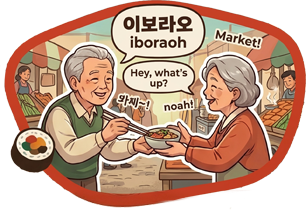
“Iboraoh” (이보라오) is a warm, informal North Korean greeting that translates to “Hey, what’s up?” or “Come here, friend.” It’s the kind of phrase you’d hear in a bustling market or a family kitchen—inviting, friendly, and full of life.
For us, this name represents more than just a greeting—it’s an invitation to experience the warmth and authenticity of North Korean culinary traditions that our grandparents brought with them across borders and through time.
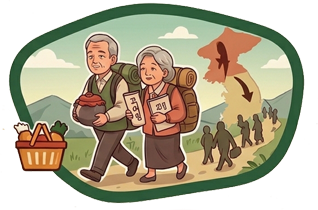
From North to South: How the Korean War shaped our culinary legacy.
The War Years (1950-1953). During the Korean War, our grandparents fled from North Korea to the South, carrying with them little more than the clothes on their backs and the recipes passed down through generations. Their knowledge of traditional North Korean fermentation methods—particularly for kimchi—became their most precious possession.
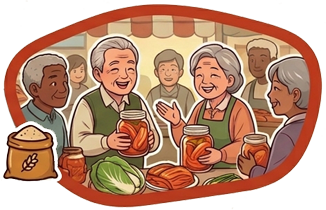
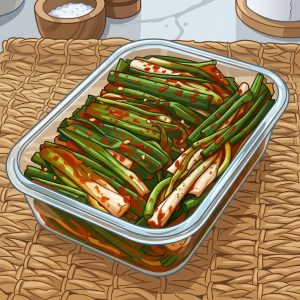
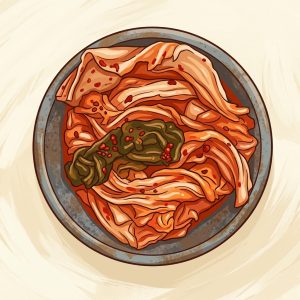
In South Korea, they began sharing their unique North Korean-style kimchi with neighbors and friends. The distinct characteristics—less spicy, crisper, with a cleaner fermentation profile—quickly gained recognition.


Martina Havrlent

Victor Frago
Rebeca Dominguez Perez